
Written by Rebecca Hopper, M.D.
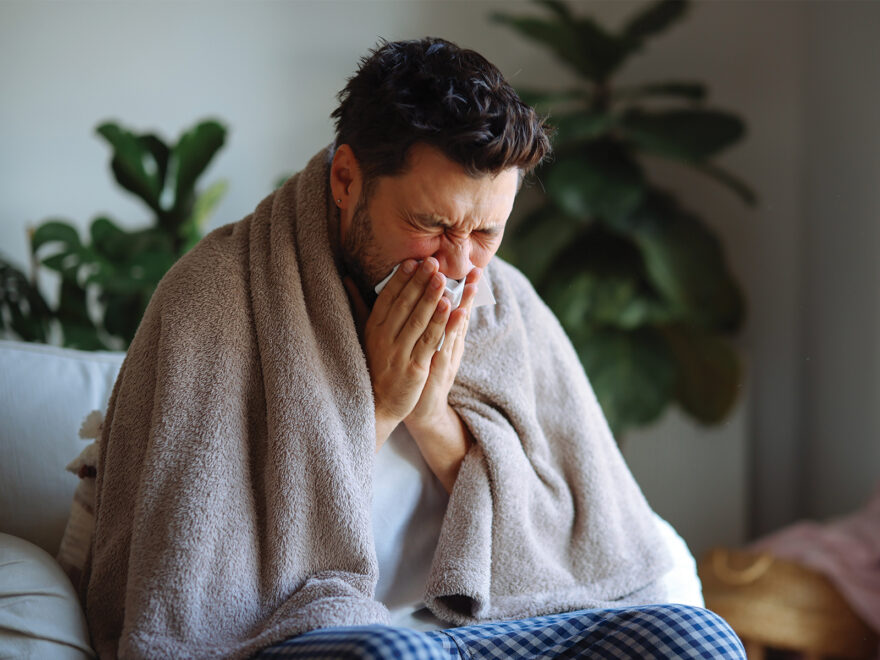
Most of us are very familiar with “the flu”: body aches, fever, sore throat, runny nose, cough and sometimes diarrhea and vomiting. This nasty virus hits us during its peak season of October through March. Typically, we suffer with these symptoms for about two weeks — hydrating well, taking Tylenol or ibuprofen and sleeping — then we slowly improve. Often, those we live with get the virus, exhausting everyone in our household until it runs its course.
However, sometimes a flu infection becomes more serious. The flu virus causes large amounts of lung inflammation and mucus production, which can lead to pneumonia and life-threatening acute respiratory distress syndrome. This disease can also cause muscle inflammation and muscle breakdown, resulting in profound weakness and immobility, something called rhabdomyolysis. Unfortunately, the flu can also cause meningitis, swelling and infection of the coverings of the brain and spinal cord that can lead to permanent disability or death.
As with many diseases, we hope for a typical recovery, but certain diseases like the flu do carry a realistic risk of serious complications. Young children, pregnant women, the elderly, those on medications that suppress the immune system (like those with cancer or autoimmune disease) and those with other chronic diseases are most at risk. Preventing the flu is something most of us know how to do: Wash your hands often, cover your cough and stay home as much as possible if ill. If you seek medical care within the first 72 hours of symptom onset, antiviral medications are available that can reduce the severity and duration of the flu. The biggest key to influenza prevention, though, is to GET VACCINATED!
Vaccines seem to be a topic of controversy these days, and the scientific reality is they should not be. Vaccines save lives and have for decades; they have helped eliminate or greatly reduce massive outbreaks of deadly diseases like smallpox, polio and measles. Vaccines, including the flu vaccine, have in no way been shown to cause autism. The American Academy of Pediatrics is an excellent and reliable resource for any concerns or questions regarding vaccines. The flu vaccine protects against the most common strains of the influenza virus that were in the population in the previous flu season. For this reason, the flu vaccine is not perfect, as it does not provide protection against all the strains of influenza circulating at the time of vaccine administration. Regardless, it significantly reduces the likelihood of illness, and despite what people say, you cannot get influenza from the flu vaccine based on how the vaccine is biochemically constructed. All vaccines can carry a risk of unexpected reactions, but that is the same with medications or surgeries. Nothing in medicine is ever perfectly risk-free, but treatments, including vaccines, are advised because it has been demonstrated that the benefit outweighs the risk.
Stay smart and safe this flu season for yourself and the Henderson community!
 Calling all Hendersonians!