
In Simple, Everyday Moments
As a mom, I understand how challenging screen time can be. There are plenty of moments when handing over a phone or tablet feels like the easiest option—especially when I need to finish a task or just need a quiet minute. But over time, my husband and I have realized how important it is for our family to be more intentional about when and how we use screens.
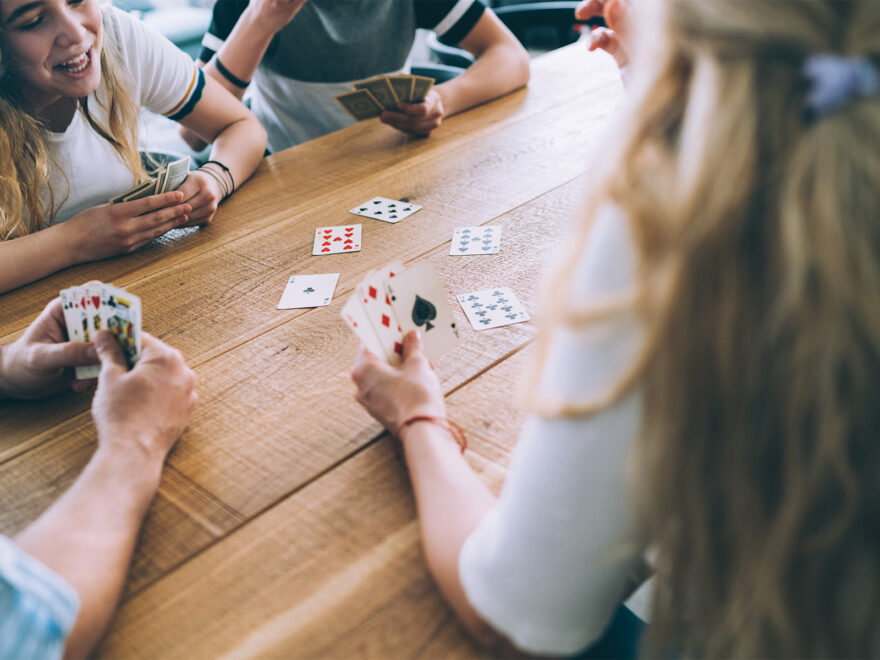
Some of the biggest shifts have come during the small, everyday moments—like waiting for food at a restaurant or driving in the van. Instead of automatically reaching for devices, we try to lean into simple alternatives. We play games, we talk, we listen, and sometimes, we do nothing. I’ve learned that boredom isn’t something to rush in and fix. When kids are bored, they start to imagine, create, and figure things out on their own in ways that don’t happen when a screen fills the space.
At restaurants, I’ve found that a little preparation goes a long way. Tossing small games like UNO Cards, Mad Libs, or our current favorite game, OK Play Tiles, into my bag can completely change the tone of the wait. When our kids were younger, we played “I Spy” or made up silly stories together—those ended up being some of our favorite memories. Now that they’re older, even something as simple as flipping through The Week Junior magazine sparks great conversations and curiosity.
Van rides have become another opportunity to be more mindful. Instead of defaulting to screens, we listen to podcasts or audiobooks together, and our kids bring along activity books. It keeps them engaged, but in a way that feels calmer and more connected.
I’ve also become more aware of how quickly screen time can add up. Kids don’t always have a sense of how long they’ve been on a device, and it can easily go beyond what’s healthy. Too much screen time can affect mood, attention, and even sleep.
Shifts like these are not perfect or easy and take time. It’s something I’m still working on, and it often starts with the adults. When we put our own phones down, it sets the tone for everyone else. It’s a small choice, but it matters.
At the end of the day, we are not aiming for perfection but connection. These small, intentional changes are helping us build stronger relationships and create the kind of everyday moments kids will remember.
 Calling all Hendersonians!